Venue Entertainment Programming 2026: The Seasonal Residency Playbook for Beach Clubs and Hotels
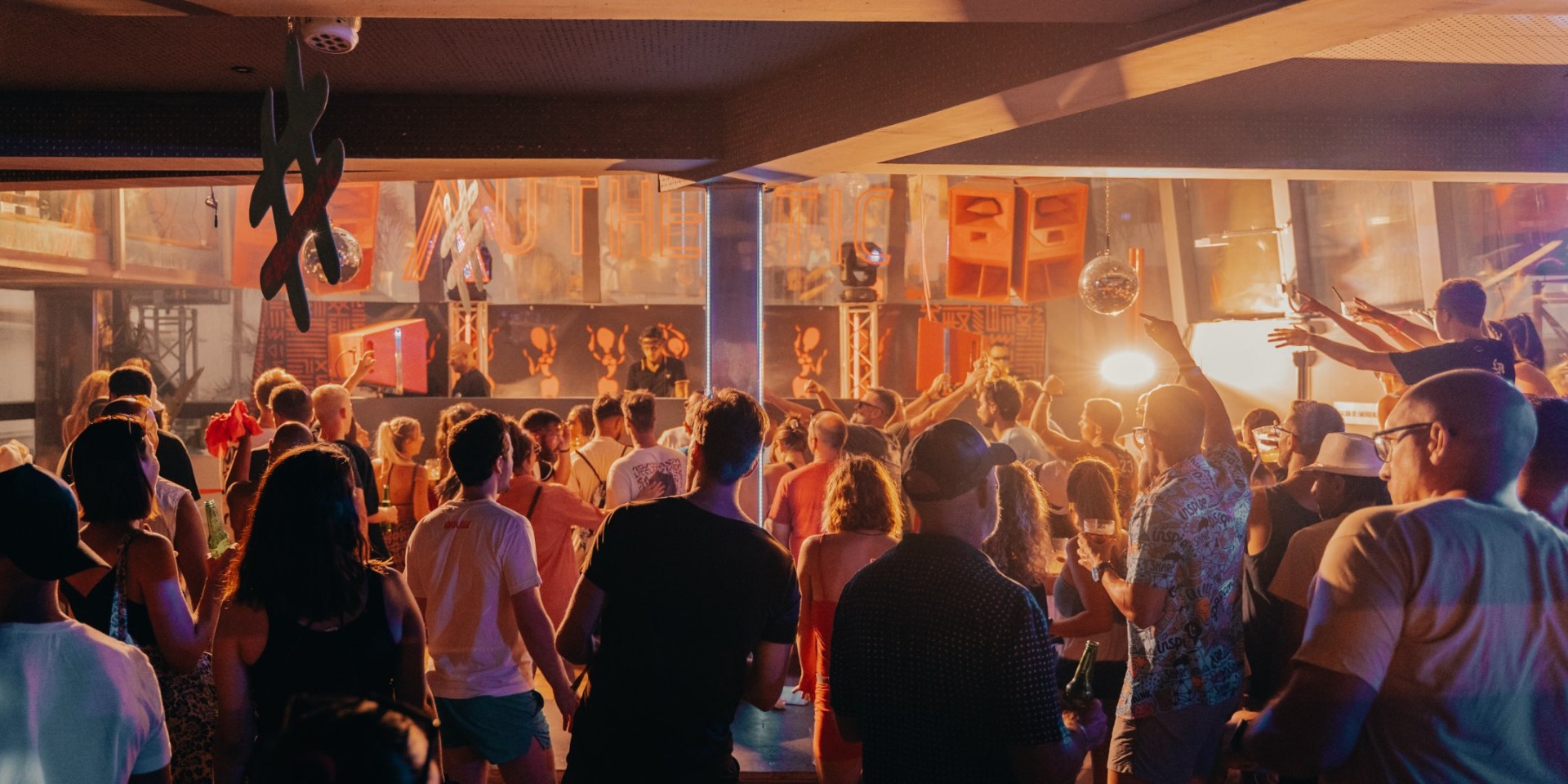
A seasonal entertainment program is not just "booking DJs." It is a weekly calendar and resident roster designed around guest journey and revenue moments: daytime, sunset, dinner, late. Done well, it creates consistent atmosphere, supports F&B spend, improves repeat visitation, and removes operational workload from venue teams. This playbook shows the process, the calendar framework, roster strategy, KPIs, and a checklist you can use immediately.
Key Takeaways
- Programming is a system: identity + calendar + roster + operations.
- The biggest wins come from dayparts (daytime, sunset, dinner) more than headline names.
- Consistency beats randomness: same quality, same vibe, every week.
- The easiest way to scale is a residency model supported by a curated rotation.
- Measure what matters: F&B performance, dwell time proxies, guest sentiment, repeat behavior.
Who This Playbook Is For
If you are a General Manager (GM), Operations Director, F&B Director, Events or Marketing Manager, or an Entertainment/Programming lead, this post is for you.
You are likely trying to solve one of these challenges: your vibe is inconsistent and depends on who is on shift. You want stronger sunsets and dinners, but without chaos. You need weekly programming, but you do not have time to manage artists. Or you have budget, but you want brand-safe, operationally clean execution.
What "Programming" Means, and What It Is Not
Programming is:
A defined music identity by daypart, covering what it should feel like at 14:00 vs 20:30. A weekly calendar (Mon to Sun) that is consistent and repeatable. A resident roster (core artists) plus a rotation (freshness without losing identity). Clear operational standards covering timing, levels, tech setup, briefing, and payment process. And optimization based on performance and feedback.
Programming is not:
Random bookings. "Big names only." A single party concept copied every day. Or a social media stunt that breaks operations.
The 5-Step Process to Build a Residency Program That Works
Step 1: Discovery. Brand, Crowd, Revenue Moments
Start by defining your venue identity in five adjectives, for example: relaxed, elegant, coastal, premium, warm. Then map your crowd by daypart (hotel guests vs locals vs VIP tables) and identify your revenue moments: peak lunch, sunset beds, dinner turnover, bottle service.
Step 2: Concept + Daypart Identity
Create a simple "music direction sheet" that covers each daypart: daytime energy level, genre range, vocal intensity, and BPM range. For sunset, define the emotional lift and whether recognizable moments are allowed. Dinner should be elegant and conversational. Late (if relevant) can be higher energy but still brand-safe. This is the foundation for any entertainment package.
Step 3: Talent Curation. Resident Core + Rotation
Select 2 to 4 core residents for consistency, 4 to 10 rotating artists to keep things fresh, and optional live add-ons (sax, percussion, vocalist) for specific moments. The goal is a roster that delivers your sound reliably while still offering variety. For a curated roster of international artists, visit avana-agency.com/artists.
Step 4: Operations System. The Difference Between Good and Great
Lock in the details: set times and changeover rules, volume policy and escalation path, a standardized tech rider template, an artist briefing checklist covering brand, crowd, and dos and donts, plus a clear payment and invoicing workflow. This operational layer is what separates venues that "have music" from venues that have a real program. Learn more about how the process works from brief to performance.
Step 5: Launch + Optimization. Weekly Discipline
Every week, review what worked by daypart, guest feedback signals, ops notes (late arrivals, tech issues, volume complaints), and make micro-adjustments to roster and schedule, not the whole concept.
The Daypart Framework: The Simplest Way to Win 2026
Most venues over-focus on "the party." The money is often made in transitions. Daytime sets the mood and keeps guests staying longer. Sunset creates the emotional peak that sells beds, bottles, and return visits. Dinner keeps energy and spend steady without hurting service. This framework works across all venue types, from beach clubs and hotels to rooftops and restaurants.
| Daypart | Time | Goal | Sound Direction |
|---|---|---|---|
| Daytime | 13:00 to 17:00 | Extend dwell time, set mood | Relaxed uplift, elegant rhythm, conversation-friendly |
| Sunset | 17:00 to 20:00 | Emotional peak, drive spend | More energy + signature moments |
| Dinner | 20:00 to 23:00 | Maintain atmosphere, support service | Premium, polished, service-first |
| Late | 23:00+ | Optional uplift for nightlife venues | Higher energy, still brand-safe |
Sample Weekly Calendar (Copy/Paste)
You can adapt this for beach clubs, hotels, rooftops, and dining venues. The key is consistency across the week with strategic variation.
Monday: Daytime resident (soft start of week). Sunset resident + optional light live add-on.
Tuesday: Daytime rotating artist (freshness). Sunset resident (consistency).
Wednesday: Daytime resident. Sunset themed mood, not a party theme, a sound theme.
Thursday: Daytime rotating artist. Sunset resident + guest rotation (peak build).
Friday: Daytime resident. Sunset signature moment + optional live add-on. Dinner: brand-safe uplift (keep service smooth).
Saturday: Daytime resident + rotation (strongest day). Sunset signature moment. Dinner: elegant to festive (controlled).
Sunday: Daytime relaxed, "reset" identity. Sunset emotional, premium close of week.
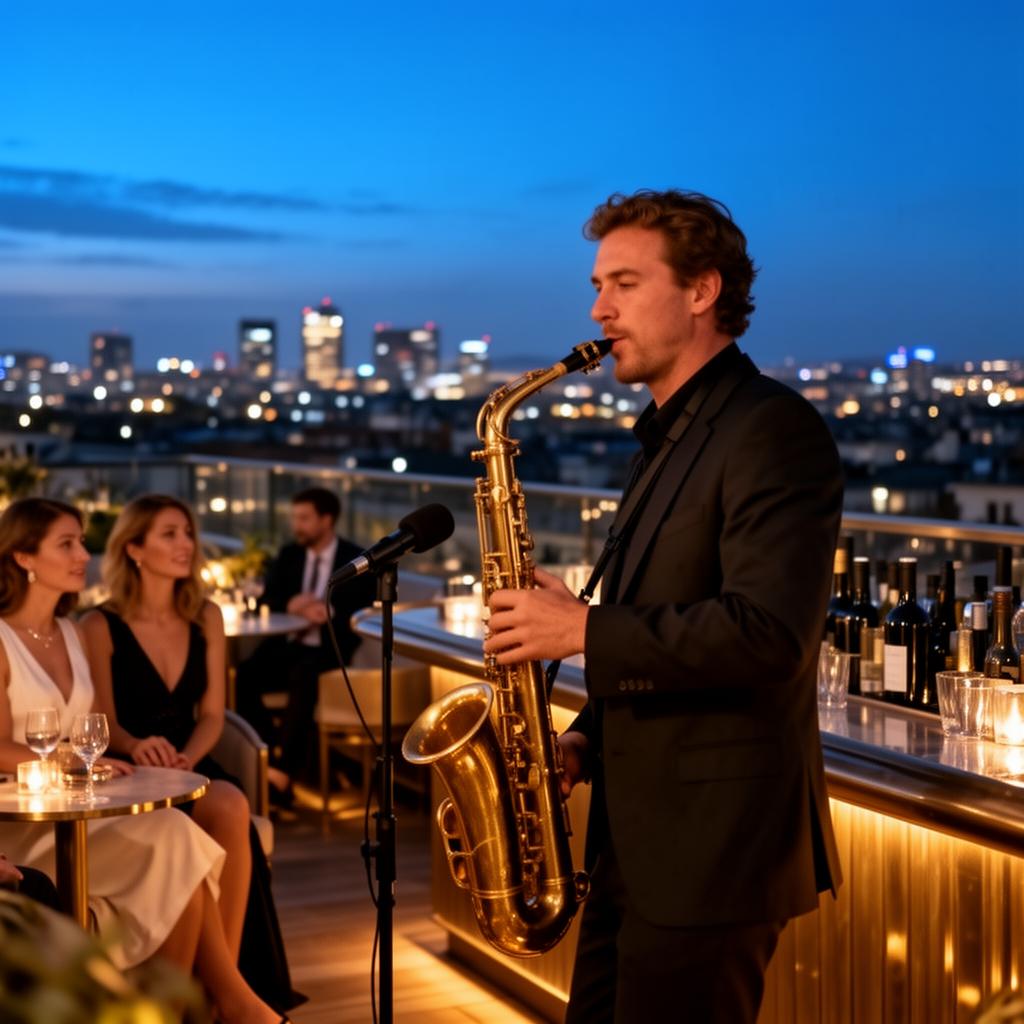
How to Curate a Resident Roster Without Becoming a Superclub
A high-performing roster is built on three principles:
1. Consistency: Your "Core Sound"
Residents should be reliable, brand-aligned, operationally easy, and able to read the room and adjust without losing identity. They are the backbone of your program.
2. Freshness: Your Rotation Layer
Rotation gives new energy, social content, and repeat guest excitement. It keeps the program alive without sacrificing the core identity.
3. Scalability: So Your Team Is Not Managing Chaos
The roster must be pre-briefed, clear on expectations, and supported with templates for timings, sound direction, and setup.
Packages and Budgets: How to Think About It
Budgets vary massively by destination and venue type, but the structure is predictable. Cost drivers include the number of weekly slots, dayparts included, talent level (local vs international), live add-ons, and production requirements.
What you should demand in any package: a clear weekly calendar, a roster plan with core and rotation, coordination and communication handled by the partner, operational standards, and a performance review cadence (weekly or biweekly).
KPIs That Matter, and What to Track Weekly
You do not need perfect analytics. You need consistent signals.
Primary KPIs (Venue-Friendly)
- F&B revenue by daypart (especially sunset and dinner)
- Bed/table conversion rate during programming hours
- Average check (or bottle attach rate if applicable)
- Dwell time proxies (arrival-to-departure patterns, occupancy by hour)
- Repeat visitation (guest lists, reservations returning)
Operational KPIs (The Hidden ROI)
- On-time start rate
- Tech issues per week
- Volume complaints
- Staff feedback score ("easy to run")
Guest Sentiment Signals
Track reviews mentioning vibe or music, Instagram stories and tags during key moments, and guest feedback collected by hosts. These qualitative signals often predict future revenue performance.
Common Mistakes, and How to Fix Them Fast
No daypart strategy. Fix: define the identity per daypart, not one vibe all day.
Too many different styles. Fix: one core sound, curated rotation, not a random playlist.
Entertainment clashes with service. Fix: dinner programming must be service-first and volume-controlled.
No standards for artists. Fix: briefing checklist, timings, and operational rules.
No weekly review loop. Fix: small adjustments weekly, not full resets.
Copy/Paste Checklist for GMs: Use This Today
- Identity: 5 adjectives that define your venue sound. Daypart identity for daytime, sunset, dinner, late.
- Calendar: Weekly schedule locked for 8 to 12 weeks. Signature moment defined (sunset peak).
- Roster: 2 to 4 core residents confirmed. Rotation list confirmed. Backup plan for last-minute changes.
- Operations: Set times + changeover rules. Volume policy + escalation path. Standard tech rider/setup checklist. Payment and invoicing workflow.
- Optimization: Weekly review cadence. KPI snapshot by daypart. Adjust roster/schedule weekly, not the concept.
Frequently Asked Questions
What is a residency program?
A residency is a consistent placement of selected artists over a season, delivered through a weekly calendar. The goal is consistency, brand fit, and operational ease, not one-off bookings.
How far in advance should we plan?
Ideally 6 to 10 weeks before season start. For high-season destinations, earlier is better, but a structured roster can also launch faster if local talent is available.
Do we need big international DJs?
Not for a successful program. Most venues win with a strong daypart strategy and resident roster. International guests can be added selectively as highlights.
How do you match talent to our brand?
By defining your daypart identity, crowd profile, and revenue moments, then selecting residents who can deliver that sound consistently and operate professionally.
Can you handle artist coordination and scheduling?
Yes, that is the main value of an entertainment partner: curation, scheduling, communication, expectations, and operational alignment.
What does "brand-safe" mean in programming?
It means music direction that elevates the atmosphere and spend without creating operational issues, reputation risk, or a vibe that conflicts with your target crowd.
Can programming work for restaurants and rooftops too?
Yes. In many cases it works even better because the goal is guest journey and spend, not a club-style peak.
What should we track weekly?
At minimum: F&B revenue by daypart, table/bed conversion, operational issues, and guest sentiment signals.
Want a Sample Calendar for Your Venue?
We can send you a one-page programming concept, two sample weekly calendars, and a resident roster strategy for your venue type. Request it here.