The Daypart Programming Method: How Hospitality Venues Design Music for Daytime, Sunset, Dinner and Nightlife
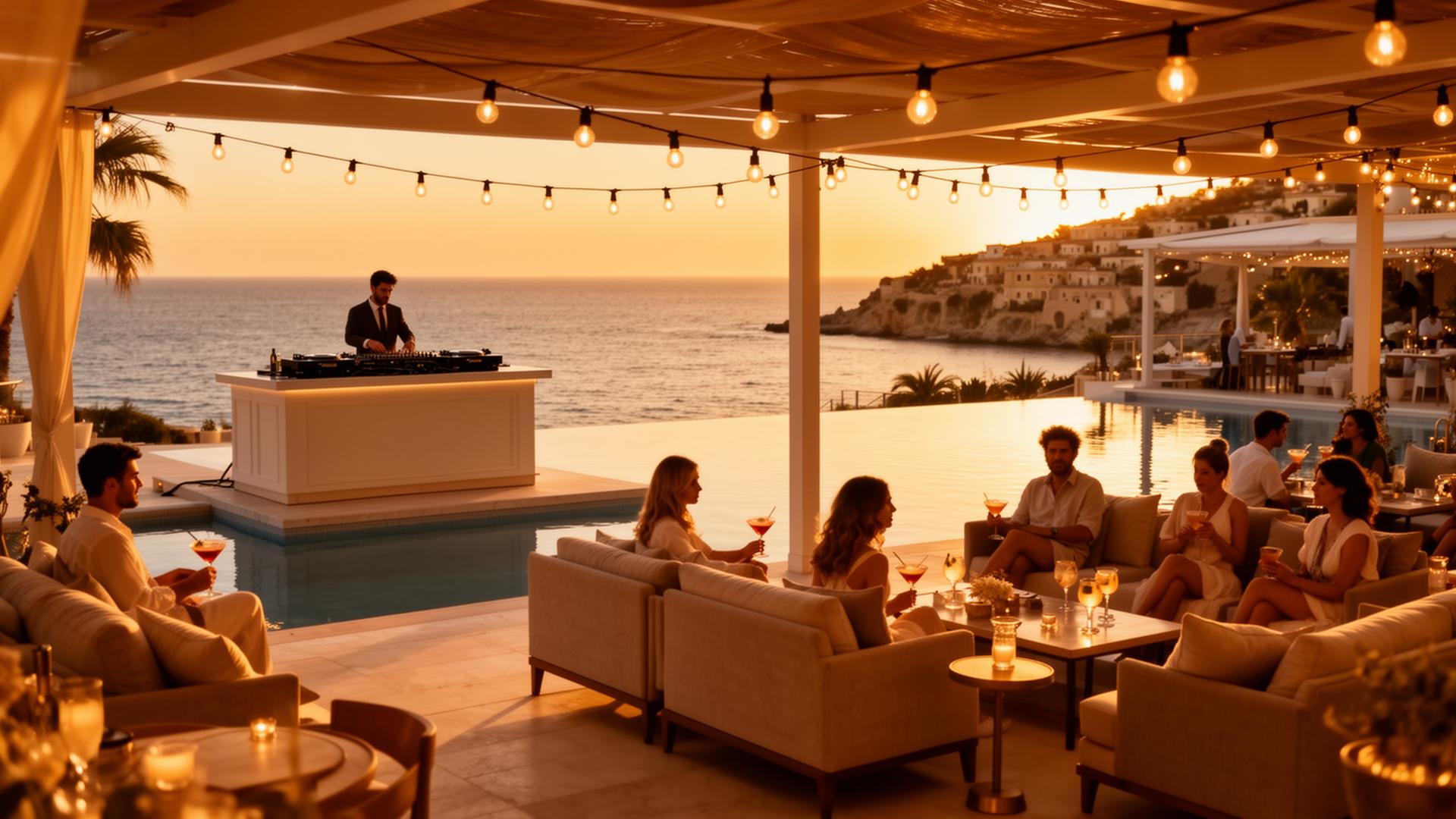
Daypart programming is the structured approach hospitality venues use to design music and entertainment across distinct phases of the day: daytime, sunset, dinner and nightlife. Rather than playing random playlists or booking artists without a strategy, this method aligns sound, energy and talent with guest behaviour at every moment. Venues that adopt daypart programming consistently report higher F&B revenue, longer guest dwell times and stronger brand identity.
Key Takeaways
- Daypart programming divides the guest experience into four phases: daytime, sunset, dinner and nightlife, each requiring a different musical approach
- Venues that align entertainment to guest behaviour see 15–30% higher F&B spend during programmed hours
- DJs, live musicians and guest entertainers serve different roles across dayparts and should not be used interchangeably
- A structured weekly programming calendar reduces ad-hoc booking costs and creates brand consistency
- KPIs like dwell time, covers per session and social media engagement directly correlate to entertainment quality
What Is Daypart Programming in Hospitality
Daypart programming is a strategic framework borrowed from broadcast media and adapted for hospitality. In television, dayparts define time slots, morning, daytime, prime time, late night, each with its own audience and content strategy. In hospitality, the same principle applies: different times of day attract different guest moods, behaviours and spending patterns.
The four hospitality dayparts are:
- Daytime (10:00–17:00): relaxation, pool, lounge atmosphere
- Sunset (17:00–20:00): emotional transition, energy build, social sharing
- Dinner (20:00–23:00): service-friendly, conversational, refined
- Nightlife (23:00–04:00): high energy, dance, immersive
Each daypart demands a specific combination of music genre, volume, tempo (BPM), artist type and production level. A venue that plays deep house at 120 BPM during a fine dining dinner service is as misaligned as a hotel lobby playing silence during golden hour. The daypart method eliminates this misalignment by creating a clear programming blueprint that every team member, from the GM to the sound engineer, can follow.
At Venue Entertainment, this framework underpins every residency program we design for hotels, beach clubs and restaurants across Europe and beyond.
Why Music Programming Must Change Throughout the Day
Guest behaviour is not static. A poolside guest at 11:00 wants background warmth and easy conversation. The same guest at 18:30 wants to feel the magic of golden hour with a soundtrack that elevates the moment. By 22:00, they may be at the restaurant expecting acoustic refinement, and by midnight they are ready for a different experience entirely.
Venues that play a single energy level all day make three critical mistakes:
- They flatten the emotional arc: guests never experience a climactic moment that becomes memorable and shareable
- They lose revenue windows: sunset and transition periods are the highest-margin moments for cocktail and champagne sales
- They dilute brand identity: without intentional sound design, the venue feels generic rather than curated
Research from hospitality analytics firms shows that venues with structured daypart programming achieve 22% higher average spend per guest compared to venues relying on playlist-only approaches. The reason is simple: when the music feels intentional, guests stay longer, order more and associate the venue with quality.
Daytime Programming: Pool, Lounge and Relaxed Atmosphere
The daytime daypart (typically 10:00–17:00) is the foundation of the guest experience. In resort hotels, beach clubs and pool venues, this period accounts for the largest number of guest hours but often receives the least programming attention.
Musical Parameters for Daytime
| Parameter | Daytime Guideline |
|---|---|
| Tempo (BPM) | 95–115 BPM |
| Genre | Deep house, organic house, lounge, balearic |
| Volume | Background to moderate (60–70 dB) |
| Artist Type | Resident DJ, curated playlist, acoustic musician |
| Energy Level | Low to medium, builds gradually toward sunset |
| Key Goal | Create a relaxed atmosphere that encourages long stays and F&B orders |
During daytime, the primary objective is atmosphere creation, not performance. A skilled resident DJ understands that daytime is about curation, reading the pool, adjusting to group dynamics and maintaining a warm, inviting sonic environment that makes guests want to stay.
Live musicians can also play a role during daytime. An acoustic guitarist near the pool bar or a percussionist adding subtle rhythms to a DJ set can elevate the sensory experience without overwhelming conversation.
Sunset Programming: Energy Build and Emotional Moments
Sunset is the most valuable daypart in hospitality entertainment. It is the moment when guest attention peaks, social media activity surges and premium beverage sales reach their highest point. Venues that programme sunset correctly create the signature moment that guests remember and share.
Musical Parameters for Sunset
| Parameter | Sunset Guideline |
|---|---|
| Tempo (BPM) | 110–122 BPM |
| Genre | Melodic house, afro house, indie dance, nu-disco |
| Volume | Moderate to elevated (70–80 dB) |
| Artist Type | Resident DJ + live musician (saxophone, violin, percussion) |
| Energy Level | Medium to high, the emotional peak of the day |
| Key Goal | Create a shareable, memorable moment that drives premium beverage sales |
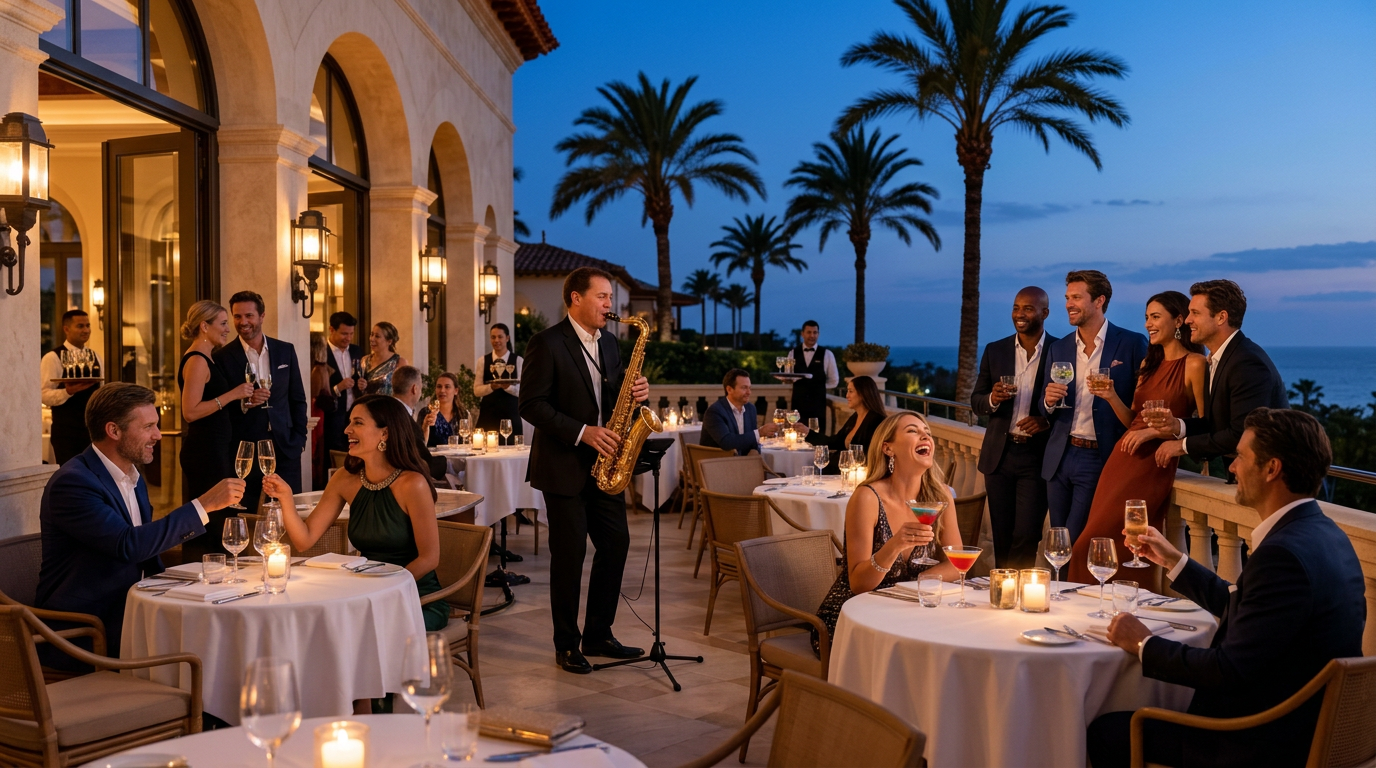
The sunset transition, typically the 45 minutes before and after actual sunset, is where programming artistry matters most. The DJ should build energy gradually, layering in melodic elements that match the visual spectacle. Adding a live saxophonist or violinist during this window creates a multi-sensory experience that playlists simply cannot replicate.
Ibiza's most successful beach clubs, the venues that set global hospitality trends, have perfected this approach over decades. At Venue Entertainment, our network of over 100 Ibiza-based artists includes specialists in sunset programming who understand how to read the light, the crowd and the moment.
Dinner Programming: Service-Friendly Atmosphere
Dinner is where entertainment must serve the food and beverage operation, not compete with it. This is the daypart where many venues make mistakes, either continuing the high energy from sunset (which disrupts table service and conversation) or cutting music entirely (which creates an abrupt void).
Musical Parameters for Dinner
| Parameter | Dinner Guideline |
|---|---|
| Tempo (BPM) | 90–110 BPM |
| Genre | Jazz, bossa nova, soulful house, lounge, acoustic |
| Volume | Low to moderate (55–65 dB) |
| Artist Type | Live musician (jazz trio, acoustic act, pianist), curated playlist |
| Energy Level | Low, supports conversation and dining experience |
| Key Goal | Enhance the dining atmosphere without interfering with service flow |
Live musicians excel during dinner service. A jazz trio, a solo pianist or an acoustic vocalist creates an intimate atmosphere that justifies premium menu pricing and encourages longer seatings. The key principle is that dinner entertainment should be felt rather than watched, it should enhance the space without demanding attention.
For venues that operate both restaurant and lounge areas, the dinner daypart is an opportunity to create acoustic zoning: softer, live music in the dining area while maintaining a slightly higher energy in adjacent bar spaces for guests who are not dining.
Nightlife Programming: Higher Energy Entertainment
The nightlife daypart (23:00 onward) is where venues shift from atmosphere to experience. This is the domain of headlining DJs, guest entertainers, themed events and immersive productions. Not every venue type operates in this daypart, hotel lobbies and fine dining restaurants typically do not, but for clubs, rooftop bars, beach venues and late-night lounges, nightlife programming is a core revenue driver.
Musical Parameters for Nightlife
| Parameter | Nightlife Guideline |
|---|---|
| Tempo (BPM) | 120–130+ BPM |
| Genre | Tech house, house, techno, commercial dance, hip-hop |
| Volume | High (80–100+ dB, within regulations) |
| Artist Type | Headline DJ, resident DJ, guest entertainers, performers |
| Energy Level | High to peak, immersive, dance-focused |
| Key Goal | Drive footfall, door revenue, premium bottle service and brand positioning |
Nightlife programming requires a different operational approach. Sound systems, lighting, stage production and artist hospitality all become critical. The transition from dinner to nightlife should be managed carefully, a gradual 30–45 minute warm-up set by a resident DJ creates a natural bridge that retains dinner guests who want to continue their evening.
Guest entertainers, dancers, percussionists, LED performers, fire artists, add visual spectacle during nightlife and are increasingly common in upscale venues. Entertainment packages that combine DJs with guest performers create the most complete nightlife experience.
DJs vs Live Music vs Guest Entertainers: When to Use Each
One of the most common questions from venue operators is whether to invest in DJs, live musicians or guest entertainers. The answer depends entirely on the daypart and the venue's brand positioning.
Comparison by Daypart
| Daypart | Best Fit: DJ | Best Fit: Live Music | Best Fit: Guest Entertainer |
|---|---|---|---|
| Daytime | ✓ Resident DJ for continuous atmosphere | ✓ Acoustic musician near pool/bar | ○ Optional, e.g. roaming performer |
| Sunset | ✓✓ Essential, DJ drives the build | ✓✓ Saxophone/violin over DJ set | ○ Optional, adds visual flair |
| Dinner | ○ Only as background playlist | ✓✓ Jazz, acoustic, piano, ideal | ○ Rarely appropriate |
| Nightlife | ✓✓ Core element, headline or resident | ✓ Live vocalist/percussionist with DJ | ✓✓ Dancers, performers, visuals |
The most effective entertainment programmes combine all three talent types across the day. A beach club might use a resident DJ from 12:00–17:00, add a saxophonist for the sunset session (17:00–20:00), switch to a jazz trio for dinner (20:00–22:30) and bring in a headline DJ with guest performers from 23:00 onward. This layered approach creates a complete guest journey that feels curated rather than random.
Example Weekly Programming Calendar
A practical daypart programming calendar for a Mediterranean beach club or resort hotel might look like this:
| Day | Daytime (10–17h) | Sunset (17–20h) | Dinner (20–23h) | Nightlife (23h+) |
|---|---|---|---|---|
| Monday | Curated playlist | Resident DJ | Acoustic guitar | - |
| Tuesday | Resident DJ | Resident DJ + Sax | Jazz duo | - |
| Wednesday | Curated playlist | Resident DJ | Pianist | Resident DJ late lounge |
| Thursday | Resident DJ | Resident DJ + Violin | Acoustic trio | Guest DJ |
| Friday | Resident DJ | Resident DJ + Sax + Percussion | Jazz trio | Headline DJ + Performers |
| Saturday | Resident DJ | Resident DJ + Full live ensemble | Live band | Headline DJ + Full production |
| Sunday | Resident DJ | Sunset special: extended set | Acoustic vocalist | - |
This calendar demonstrates a key principle: programming intensity scales with expected footfall. Mondays are lighter, Fridays and Saturdays are fully programmed, and Sundays feature an extended sunset session, a format proven to drive high engagement in Mediterranean destinations.
Common Mistakes Venues Make with Daypart Programming
After designing entertainment programmes for venues across multiple markets, these are the most frequent mistakes we encounter:
1. No transition management
Abruptly switching from sunset energy to dinner silence creates a jarring guest experience. Every daypart transition should be a 15–30 minute gradual adjustment in tempo, volume and energy.
2. Using the wrong artist for the wrong daypart
A high-energy tech house DJ at a pool during lunchtime or a solo guitarist during a nightclub peak hour, mismatching talent to daypart destroys the guest experience and wastes budget.
3. Ignoring volume calibration
Volume should follow a curve throughout the day: background during daytime, building through sunset, dropping for dinner, peaking at nightlife. Many venues set a flat volume that is too loud for daytime and too quiet for nightlife.
4. Over-programming quiet days
Not every day needs a headline act. Quiet weekdays with curated playlists and a resident DJ are more cost-effective and more appropriate than force-fitting a full production on a Tuesday.
5. No artistic brief for talent
Booking a DJ without a clear brief on genre, BPM range, energy arc and volume levels means the venue loses control of its own atmosphere. Every booking should include a written artistic direction aligned to the daypart.
6. Failing to connect entertainment to F&B
Entertainment programming should be designed in collaboration with F&B management. Sunset cocktail menus, dinner wine pairings and nightlife bottle service promotions should all be synchronised with the entertainment calendar.
KPIs That Measure Programming Success
Entertainment is an investment, and like any investment it must be measured. The following KPIs help venue managers evaluate whether their daypart programming is working:
| KPI | What It Measures | Target Benchmark |
|---|---|---|
| Average dwell time | How long guests stay per visit | +20% vs unprogrammed periods |
| F&B spend per guest | Revenue per head during programmed hours | +15–30% vs unprogrammed |
| Covers per service | Table turnover and seating efficiency | Stable or +10% |
| Social media mentions | Organic content from guests during sunset/nightlife | +25% during programmed events |
| Guest satisfaction scores | Post-visit entertainment ratings | >8.5/10 |
| Repeat visit rate | Guests returning for entertainment | +15% for programmed nights |
| Cost per programmed hour | Total entertainment cost / programmed hours | Varies by venue tier |
| Revenue per programmed hour | Revenue during entertainment vs cost | ROI of 3:1 minimum |
Tracking these KPIs weekly and monthly allows managers to identify which dayparts deliver the strongest return. For a deeper analysis, see our guide on Entertainment Budget & ROI 2026.
Practical Checklist for Venue Managers
10-Step Daypart Programming Checklist
- Define your four dayparts: Set exact time windows for daytime, sunset, dinner and nightlife based on your operating hours and guest flow
- Map guest behaviour to each daypart: Analyse when guests arrive, how long they stay and what they order during each phase
- Set musical parameters per daypart: Define genre, BPM range, volume levels and energy arc for each time window
- Assign the right talent type: Match DJs, live musicians and guest entertainers to the dayparts where they are most effective
- Build a weekly programming calendar: Scale intensity by day of week, with lighter programming on quiet days and full production on peak days
- Design transitions between dayparts: Plan 15–30 minute overlap periods where energy, volume and tempo gradually shift
- Brief every artist in writing: Provide a clear artistic direction document specifying genre, energy arc, volume limits and brand guidelines
- Align entertainment with F&B: Coordinate sunset cocktail specials, dinner menus and nightlife promotions with the programming calendar
- Install measurement systems: Track KPIs including dwell time, F&B spend per guest, social media mentions and guest satisfaction scores
- Review and optimise monthly: Analyse KPI data, adjust the calendar, rotate artists and test new formats based on performance data
Frequently Asked Questions
What is daypart programming in hospitality?
Daypart programming is a strategic framework that divides the venue operating day into distinct phases, daytime, sunset, dinner and nightlife, and assigns specific music genres, volume levels, artist types and energy arcs to each phase. The method ensures that entertainment matches guest behaviour and maximises revenue at every moment.
Why is sunset programming important for venues?
Sunset is the highest-value daypart for most hospitality venues. Guest attention peaks, social media activity surges and premium beverage sales reach their maximum. A well-programmed sunset session, typically featuring a DJ with a live musician, creates the signature moment that guests remember and share.
Should hotels have DJs during the day?
Yes, but only when the DJ operates as an atmosphere curator rather than a performer. Daytime DJ programming works best at pool areas, beach clubs and lounge spaces where the music should be relaxed (95–115 BPM) and the volume should allow conversation.
How do beach clubs programme music throughout the day?
Beach clubs typically follow the full four-daypart model: a resident DJ provides relaxed daytime atmosphere from late morning, the energy builds through sunset with added live musicians, the sound shifts to acoustic or jazz for dinner service, and the venue either closes or transitions to a nightlife format with higher energy DJs and performers.
What is a residency programme for venues?
A residency programme places a DJ or musician at a venue for a sustained period, typically a full season or multiple months. The resident artist becomes the venue's sonic identity. Learn more about residency programmes and how they work.
What genres work best for dinner service?
Jazz, bossa nova, acoustic, soulful house and ambient lounge work best during dinner. The key principle is that dinner music should enhance conversation rather than compete with it. Volume should be kept at 55–65 dB and tempo between 90–110 BPM.
How do you measure if entertainment programming is working?
The most important KPIs are average dwell time, F&B spend per guest during programmed hours, social media mentions, guest satisfaction scores and repeat visit rate. Venues should track these metrics weekly and calculate return on investment per programmed hour.
What is the difference between a resident DJ and a guest DJ?
A resident DJ is contracted for a sustained period and becomes part of the venue's identity. A guest DJ is booked for specific dates, often weekends or special events, to add variety and draw new audiences. Most effective programmes use residents for consistency and guests for peaks.
How much should a venue spend on entertainment programming?
Entertainment budgets typically range from 3–8% of total F&B revenue for hotels and resorts, and 8–15% for beach clubs and nightlife venues. Well-programmed entertainment should generate at least 3x its cost in incremental F&B revenue.
Can daypart programming work for small venues?
Absolutely. Small venues can implement daypart programming with minimal investment by using curated playlists during daytime and dinner, adding a resident DJ for sunset sessions 2–3 days per week, and booking guest performers for weekend peaks. The framework scales to any venue size.
Ready to design your venue's daypart programming?
Request a sample entertainment programming concept tailored to your venue type, location and guest profile.