Beach Club vs Hotel Entertainment: What Works, What Fails in 2026
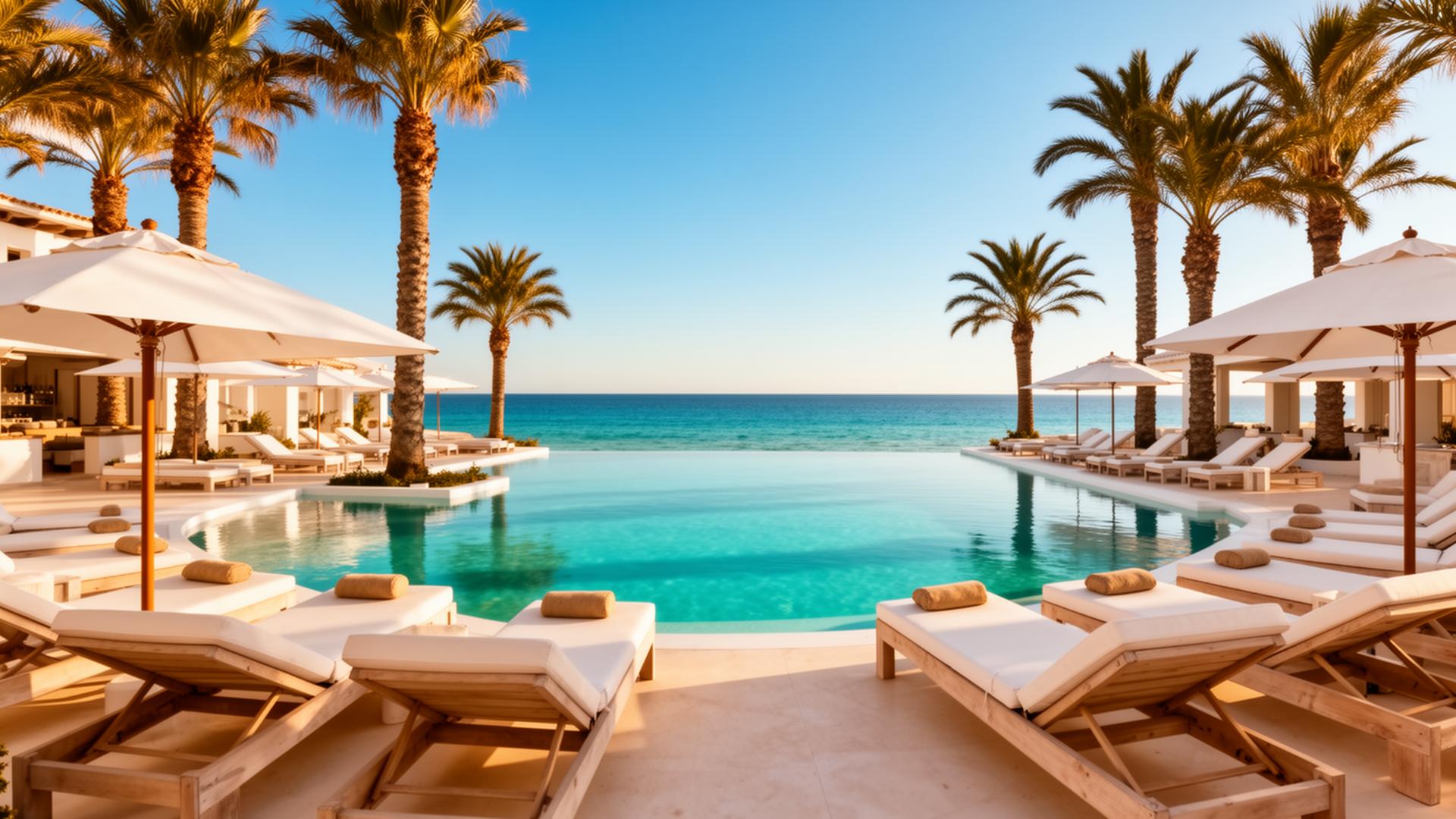
Beach clubs and hotels serve different guests, different moments, and different revenue models, so their entertainment strategies must be different too. A beach club thrives on energy arcs, social media moments, and bottle culture. A hotel wins with ambient consistency, guest-journey alignment, and service-friendly programming. Getting this wrong costs F&B revenue, guest satisfaction, and brand reputation. This guide gives you the frameworks, calendars, and KPIs to get it right.
Key Takeaways
- One strategy does not fit both: beach clubs need energy arcs; hotels need ambient consistency.
- Revenue drivers are different: bottle service vs extended dwell time and dinner spend.
- The biggest mistake is copying nightclub programming into a hotel environment.
- Residency programs solve most consistency and quality problems for both venue types.
- Measure venue-specific KPIs: social reach for beach clubs, guest sentiment and F&B per daypart for hotels.
Why Entertainment Strategy Must Match the Venue Type
Entertainment is not decoration. It is an operational system that directly affects guest behavior, spend patterns, and brand perception. When the strategy matches the venue, everything clicks: guests stay longer, spend more, and come back. When it does not, you get complaints, service friction, and wasted budget.
A beach club operates on energy momentum. The day builds from relaxed to euphoric. Guests come for the experience itself. The music is the product. A hotel operates on hospitality integration. Guests are there for many reasons: pool, spa, dinner, meetings. Entertainment must enhance without dominating. These are fundamentally different design briefs.
At Venue Entertainment, based in Ibiza and working with over 100+ Ibiza-based artists, we see this mismatch regularly. A five-star hotel books a beach club DJ who plays too loud during dinner. A beach club hires a lounge act that kills the energy at sunset. Both failures come from the same root: no venue-specific entertainment strategy.
Beach Club Entertainment Strategy
A beach club is a destination venue. Guests choose to be there. They expect a curated experience that builds through the day, peaks at sunset, and creates moments worth sharing. Programming must deliver energy, identity, and social currency.
Day Party Energy
The daytime window (12:00 to 17:00) is not background music. It is a slow build that keeps guests on sunbeds, ordering drinks, and settling into the vibe. The sound should be warm, rhythmic, and conversation-friendly, but with enough identity to feel curated, not generic. Think deep melodic grooves, not elevator music.
Sunset Moments
Sunset is the peak revenue moment for most beach clubs. This is when bottle orders spike, Instagram stories go live, and guests decide whether to stay for dinner. The programming must deliver an emotional lift: recognizable moments, live add-ons (sax, percussion, vocalist), and a clear energy shift. This is your signature window.
Brand Identity Through Sound
The best beach clubs have a sonic identity as strong as their visual brand. Guests should recognize the vibe before they see the logo. This requires a consistent music direction across all artists, not personal playlists that change with every DJ.
Table and Bottle Culture
Programming must support the table service model, not fight it. Energy peaks should align with service windows. The DJ booth should communicate with the floor team. Music tempo and volume escalation must follow the revenue rhythm, not work against it.
Social Media Moments
Beach clubs live and die on social content. Programming should create shareable moments: sunset drops, live performance highlights, visual energy peaks. If guests are not filming, the energy is wrong.
Hotel Entertainment Strategy
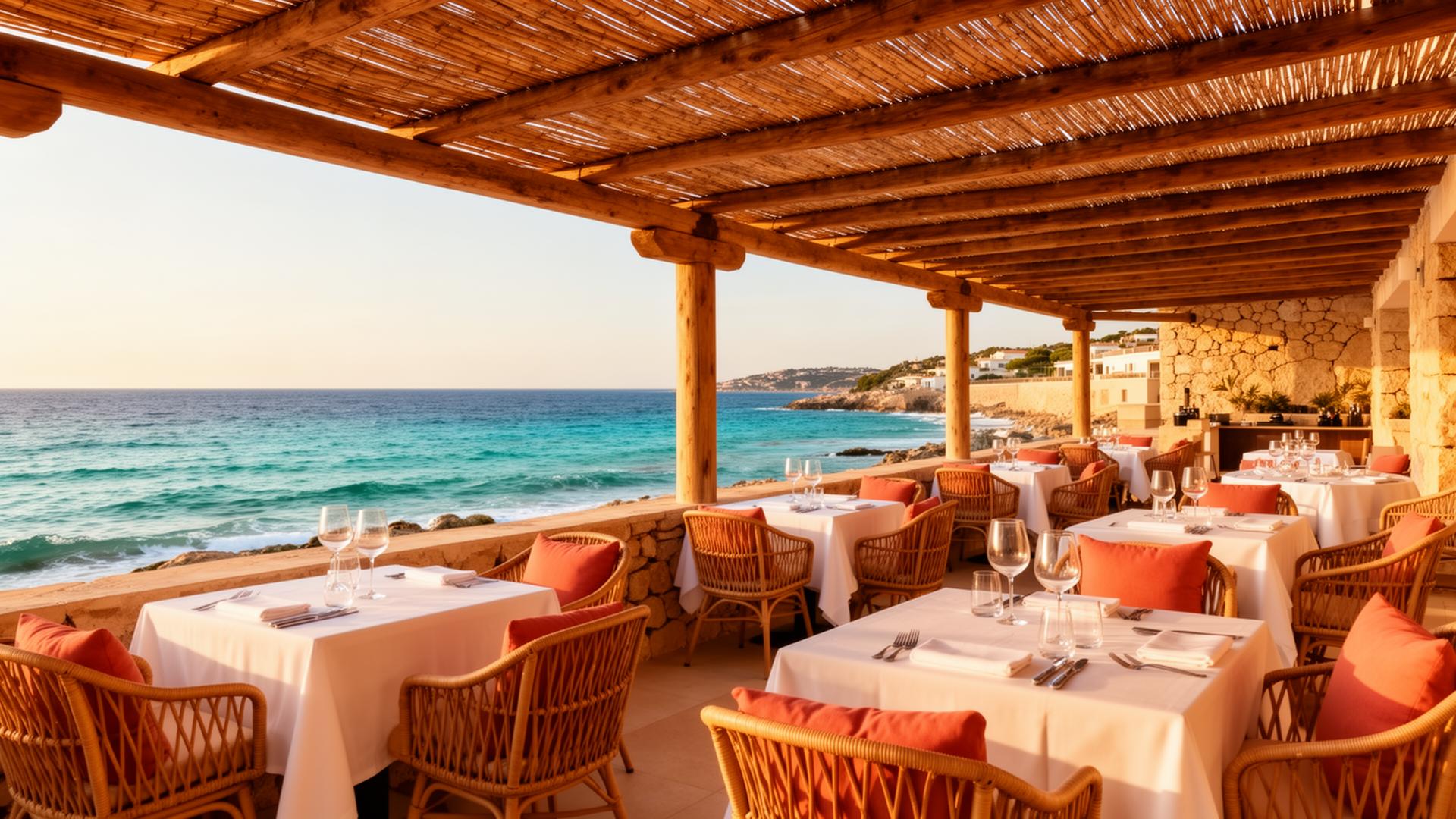
A hotel is a hospitality environment first. Entertainment exists to support the guest journey, not to become the main event. Programming must work across multiple touchpoints — pool, lobby, restaurant, bar, without creating friction with any of them.
Guest Journey Alignment
Hotel guests move through different moods throughout the day: morning relaxation, afternoon pool, pre-dinner transition, evening dining, late-night bar. Entertainment must follow this journey, not impose its own timeline. The music at 14:00 by the pool should feel completely different from 20:30 in the restaurant — yet both should feel like the same hotel.
Pool Ambiance
The pool is the most sensitive entertainment zone in a hotel. Too loud disrupts families and business travelers. Too quiet feels like a missed opportunity. The ideal pool program is warm, rhythmic, and effortlessly premium — present enough to create atmosphere, restrained enough that no guest feels they need to move to a quiet area.
Dinner Atmosphere
Dinner entertainment in a hotel must be service-first. Volume levels must support conversation. The music direction should enhance the dining experience without competing for attention. Live acoustic acts, ambient electronic sets, and curated playlists each have their place — but all must follow the same rule: service comes first.
Service-Friendly Volume
Volume is the number one source of entertainment complaints in hotels. Every hotel needs a clear volume policy with defined decibel ranges per zone, escalation procedures, and artist briefings that make expectations explicit. This is not optional — it is operational infrastructure.
International Guest Mix
Hotels serve diverse international guests with different musical expectations. Programming must be culturally neutral enough to feel welcoming to everyone, while still having enough character to feel curated. This is where professional curation beats personal DJ preferences every time.
Beach Club vs Hotel Entertainment: Comparison Table
| Dimension | Beach Club | Hotel |
|---|---|---|
| Energy Level | Building arc: low → high → peak at sunset | Consistent ambient: moderate throughout |
| Programming Structure | DJ-led, event-driven, daypart peaks | Background-integrated, guest-journey mapped |
| Guest Expectations | Experience seekers, social moments | Comfort, atmosphere, service quality |
| Revenue Drivers | Bottle service, table minimums, sunset spend | Extended dwell time, dinner covers, bar spend |
| Scheduling Model | Long sets (4-6h), single artist per daypart | Multiple zones, shorter rotations, playlists + live |
| Residency Strategy | Core residents define the brand sound | Residents provide consistent quality across zones |
| Volume Approach | Progressive escalation with peaks | Controlled, zone-specific, service-first |
| Social Media Role | Primary marketing channel | Supporting, not primary |
| Live Add-ons | Sax, percussion, vocalist (peak moments) | Acoustic, ambient, background enhancement |
| Biggest Risk | Energy too flat = guests leave | Energy too high = complaints and service friction |
How to Design a Weekly Programming Calendar for Each Venue Type
A weekly calendar removes daily decision-making and creates the consistency that drives guest expectations and repeat visits. Below are two sample calendars, one for a beach club and one for a hotel, that you can adapt to your specific venue.
Beach Club Weekly Calendar
| Day | Daytime (12:00–17:00) | Sunset (17:00–20:00) | Evening (20:00–23:00) |
|---|---|---|---|
| Monday | Resident DJ (soft open) | Resident + ambient live | Curated playlist |
| Tuesday | Rotation DJ (freshness) | Resident DJ | Curated playlist |
| Wednesday | Resident DJ | Themed sunset set | Live acoustic |
| Thursday | Rotation DJ | Resident + sax/percussion | Resident DJ |
| Friday | Resident DJ | Signature sunset + live add-on | Extended DJ set |
| Saturday | Resident + rotation | Peak sunset event | Premium DJ set |
| Sunday | Relaxed resident set | Emotional sunset close | Curated playlist |
Hotel Weekly Calendar
| Day | Pool (11:00–17:00) | Pre-Dinner (17:00–19:30) | Dinner (19:30–22:30) | Bar (22:30–00:30) |
|---|---|---|---|---|
| Monday | Resident DJ (pool) | Curated playlist | Ambient playlist | Resident DJ (bar) |
| Tuesday | Resident DJ (pool) | Curated playlist | Ambient playlist | Resident DJ (bar) |
| Wednesday | Resident DJ (pool) | Transition playlist | Live acoustic act | Ambient DJ set |
| Thursday | Resident DJ (pool) | Transition playlist | Live acoustic act | Ambient DJ set |
| Friday | Resident DJ (pool) | Sunset ambient DJ | Live act + ambient | Resident DJ (lounge) |
| Saturday | Resident DJ (pool) | Sunset ambient DJ | Live act + ambient | Resident DJ (lounge) |
| Sunday | Resident DJ (pool) | Curated playlist | Ambient playlist | Resident DJ (bar) |
Common Mistakes Venues Make
These errors cost money, brand equity, and guest satisfaction. Most are easy to fix once identified.
Copying Club Programming into Hotels
This is the most expensive mistake in hospitality entertainment. A hotel is not a nightclub. When a hotel books a DJ who builds energy like a club set, the result is volume complaints at dinner, service friction, and negative reviews. Hotel programming must be designed around service flow, not peak moments.
Inconsistent Music Identity
When every DJ plays their personal style, the venue has no identity. Guests do not know what to expect. Staff cannot predict the atmosphere. The solution is a clear music direction document that all artists follow: genre range, BPM guidelines, vocal intensity, and energy boundaries per daypart.
Lack of Operational Structure
Entertainment without operations creates chaos: late starts, wrong volume levels, uncoordinated changeovers, unclear payment terms. Every venue needs a simple operational framework: set times, tech rider, volume policy, artist briefing template, and a weekly review process. Learn more about how a structured process works from brief to performance.
No Daypart Differentiation
Playing the same energy from noon to midnight destroys the guest journey. Each daypart has a different goal, a different crowd mood, and a different revenue opportunity. Program for each one specifically.
Booking Names Instead of Programming
A famous DJ does not fix a broken program. Names create spikes; programs create consistency. Invest in the system first, add marquee names as strategic highlights.
KPIs That Actually Measure Entertainment Success
You cannot improve what you do not measure. But most venues track the wrong things, or nothing at all. Here are the KPIs that matter, organized by category.
Financial KPIs
| Metric | Beach Club Focus | Hotel Focus |
|---|---|---|
| F&B revenue per daypart | Sunset and peak hours | Pool, dinner, bar separately |
| Average spend per guest | Bottle and table minimums | Cover average and bar tab |
| Revenue per programming hour | Cost vs revenue per DJ slot | Cost vs incremental F&B lift |
| Occupancy rate during programming | Bed and table utilization | Pool and restaurant fill rate |
Operational KPIs
- On-time start rate (target: 100%)
- Volume complaints per week (target: zero)
- Tech issues per week
- Staff satisfaction score ("easy to run alongside")
- Changeover smoothness (no dead air, no energy drops)
Guest Sentiment Metrics
- Reviews mentioning "music," "vibe," or "atmosphere" (positive vs negative ratio)
- Social media tags and stories during programming hours
- Repeat visitation rate during programmed vs non-programmed days
- Direct guest feedback collected by hosts or concierge
How Residency Programs Solve Most of These Problems
The challenges above — inconsistency, identity gaps, operational chaos, measurement failures. They share a common solution: a structured residency program.
A residency is not just "booking the same DJ every week." It is a system: curated artists matched to your brand, a locked weekly calendar, operational standards, and a review cadence that continuously improves quality. For beach clubs, residents define the sonic identity and deliver reliable energy arcs. For hotels, residents provide consistent quality across zones without requiring daily management.
Venue Entertainment delivers seasonal entertainment programming and residency programs worldwide, drawing from a network of over 100+ Ibiza-based artists. Whether you operate a beach club in Mykonos or a hotel in Dubai, the structure is the same: discovery, concept, curation, operations, optimization. Explore our entertainment packages to see how this works in practice.
The key advantage of a residency model is that it transfers the operational burden from your team to the entertainment partner. Your GM does not need to manage artist schedules, handle last-minute cancellations, or negotiate fees. That is handled. Your team focuses on hospitality. The entertainment partner focuses on programming.
GM Checklist: Copy and Use Today
- 1. Define your venue type clearly: Are you programming like a beach club or a hotel? Mixed-use properties must define zones separately.
- 2. Map your dayparts: Identify the mood, crowd, and revenue goal for each time window.
- 3. Create a music direction document: Genre range, BPM, vocal intensity, and energy level per daypart.
- 4. Build a weekly calendar: Lock it for 8 to 12 weeks minimum. Consistency drives guest expectations.
- 5. Curate a resident roster: 2 to 4 core artists plus 4 to 8 rotation artists.
- 6. Set operational standards: Set times, volume policy, tech rider, artist briefing checklist.
- 7. Define your KPIs: Choose 3 to 5 metrics from the financial, operational, and sentiment categories above.
- 8. Establish a weekly review: 15-minute review of what worked, what did not, and one adjustment for next week.
- 9. Brief your entire team: Front-of-house, F&B, and management must understand the programming concept.
- 10. Partner strategically: Work with an entertainment partner who handles curation, scheduling, and operations, so you can focus on hospitality.
Frequently Asked Questions
Should hotels have DJs every day?
For pool and bar areas, a resident DJ can perform every day of the week, including Mondays and Tuesdays, to maintain a consistent atmosphere. For dinner and live performance programming, 3 to 5 days per week is optimal, supported by curated playlists on quieter evenings. The key is consistency at each touchpoint, not maximum coverage.
Do beach clubs need resident DJs?
Yes. Resident DJs are essential for beach clubs because they define the sonic identity and deliver reliable energy arcs that guests associate with the brand. Without residents, the vibe changes with every booking and the venue loses its identity.
What is the ideal music schedule for a hotel pool?
A hotel pool program typically runs from 11:00 to 17:00 with ambient, warm, conversation-friendly music. Volume should be present but not dominant. Resident DJs can perform at the pool every day of the week, including Mondays and Tuesdays, with lighter ambient sets on quieter days and more energy Wednesday through Saturday. The goal is enhanced atmosphere, not a pool party, unless your brand specifically calls for it.
What is the difference between programming and bookings?
Bookings are individual artist engagements — one DJ, one date. Programming is a system: a defined music direction, a weekly calendar, a curated roster, operational standards, and continuous optimization. Bookings solve a day; programming solves a season.
How far in advance should entertainment be planned?
Ideally 8 to 12 weeks before season start for high-demand destinations. This allows time for artist curation, calendar design, operational setup, and team briefing. Last-minute planning limits your talent options and forces reactive decisions.
Can one entertainment strategy work for both beach clubs and hotels?
No. The guest expectations, revenue models, and operational requirements are fundamentally different. Mixed-use properties (hotel with beach club) must treat each zone as a separate programming brief with distinct energy levels, volume policies, and artist selections.
What volume level is appropriate for hotel entertainment?
Hotel entertainment should typically stay between 65 and 75 dB at the pool, 60 to 70 dB during dinner, and up to 80 dB in a dedicated bar or lounge after 22:00. Every hotel needs a written volume policy with zone-specific ranges and a clear escalation procedure.
How do you measure if entertainment is working?
Track three categories: financial (F&B revenue per daypart, average spend), operational (on-time starts, volume complaints, tech issues), and guest sentiment (reviews mentioning vibe, social media tags, repeat visits). A 15-minute weekly review is enough to identify trends and make adjustments.
What does a residency program cost compared to individual bookings?
Residency programs typically cost 15 to 30 percent less per performance than equivalent individual bookings because they offer volume commitment, reduce coordination overhead, and eliminate last-minute premium pricing. More importantly, they deliver consistent quality that individual bookings cannot match.
How does Venue Entertainment work with international venues?
Venue Entertainment is based in Ibiza and delivers seasonal entertainment programming worldwide. The process starts with a discovery call, followed by concept development, artist curation from our network of 100+ artists, calendar design, and ongoing operational support. Request a programming concept here.